The Other Half of the World
There is a version of Earth that most people never see. Not because it’s hidden, but because it asks something of you—to leave the familiar and go find it.
We went.
Manuel, Jose Pablo, and Julian. Three friends, one van, and a route that cut through Paria Canyon, Monument Valley, Canyonlands, and the deserts around Hanksville. Five days, four nights, and over 1,800 miles of road. The kind of trip where the plan matters, but the moments you remember are the ones you never expected.
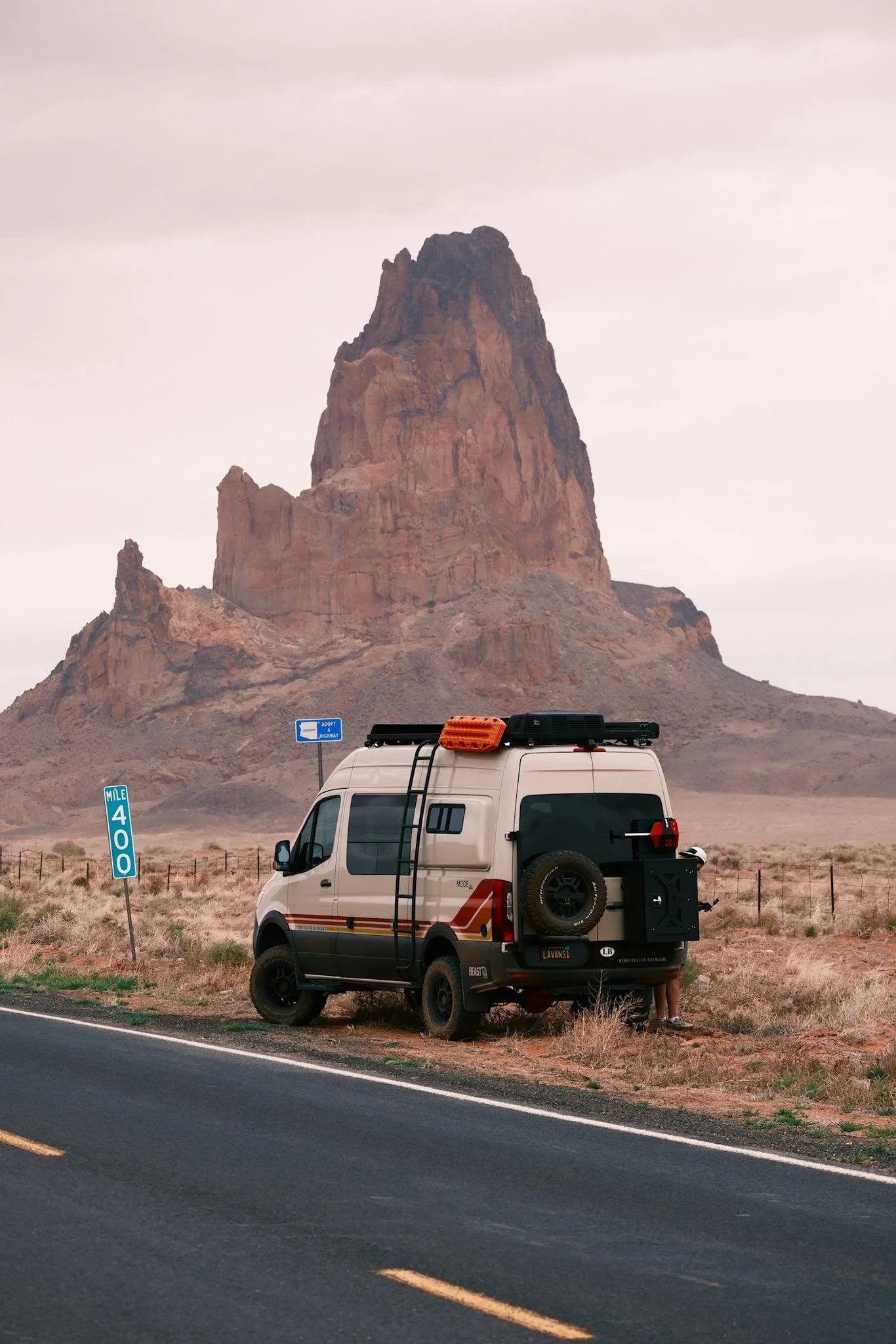
Some places don’t need explanation. You don’t arrive and think—you just stop, look, and understand that you’re somewhere that has existed long before you and will exist long after. That feeling followed us the entire way.
Origen was born by the ocean. Everything we do in San Diego is shaped by it—the light, the salt, the ingredients, the rhythm of the coast. The way a good meal can feel clean, simple, and alive.
But the ocean is only half of the world.
The other half is land. Ancient, dry, and just as expressive. Land that holds its history in layers of rock instead of tides, shaped by time and pressure instead of currents. This trip was about understanding what Origen looks like there—away from the coast, in a place that speaks a completely different language, but somehow feels the same.
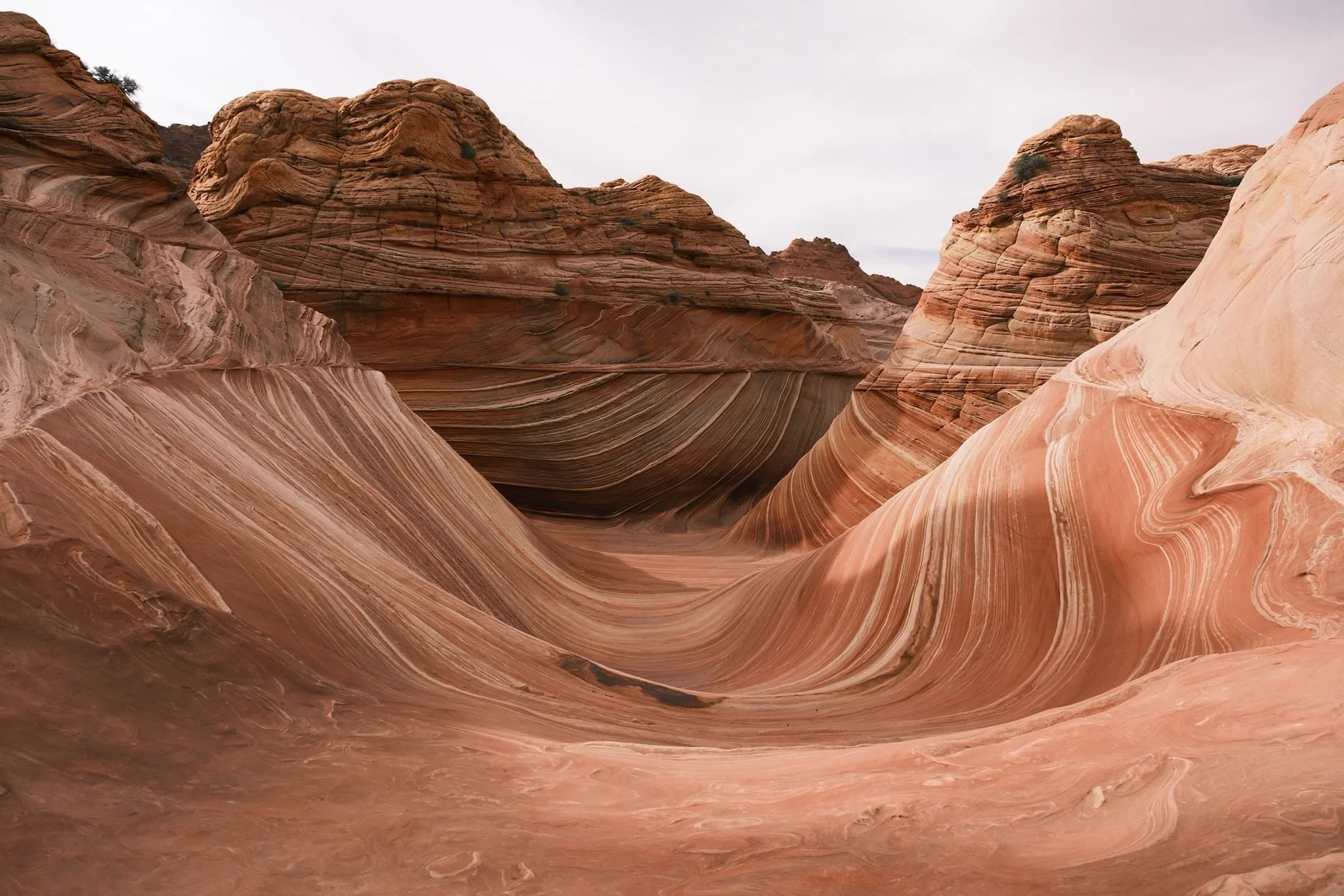
At The Wave, the desert moved.
The sandstone folded into itself in long, fluid lines—curves that looked more like water than rock. Standing inside it felt disorienting in the best way, like the boundary between land and sea didn’t really exist. Like they were just two expressions of the same thing.
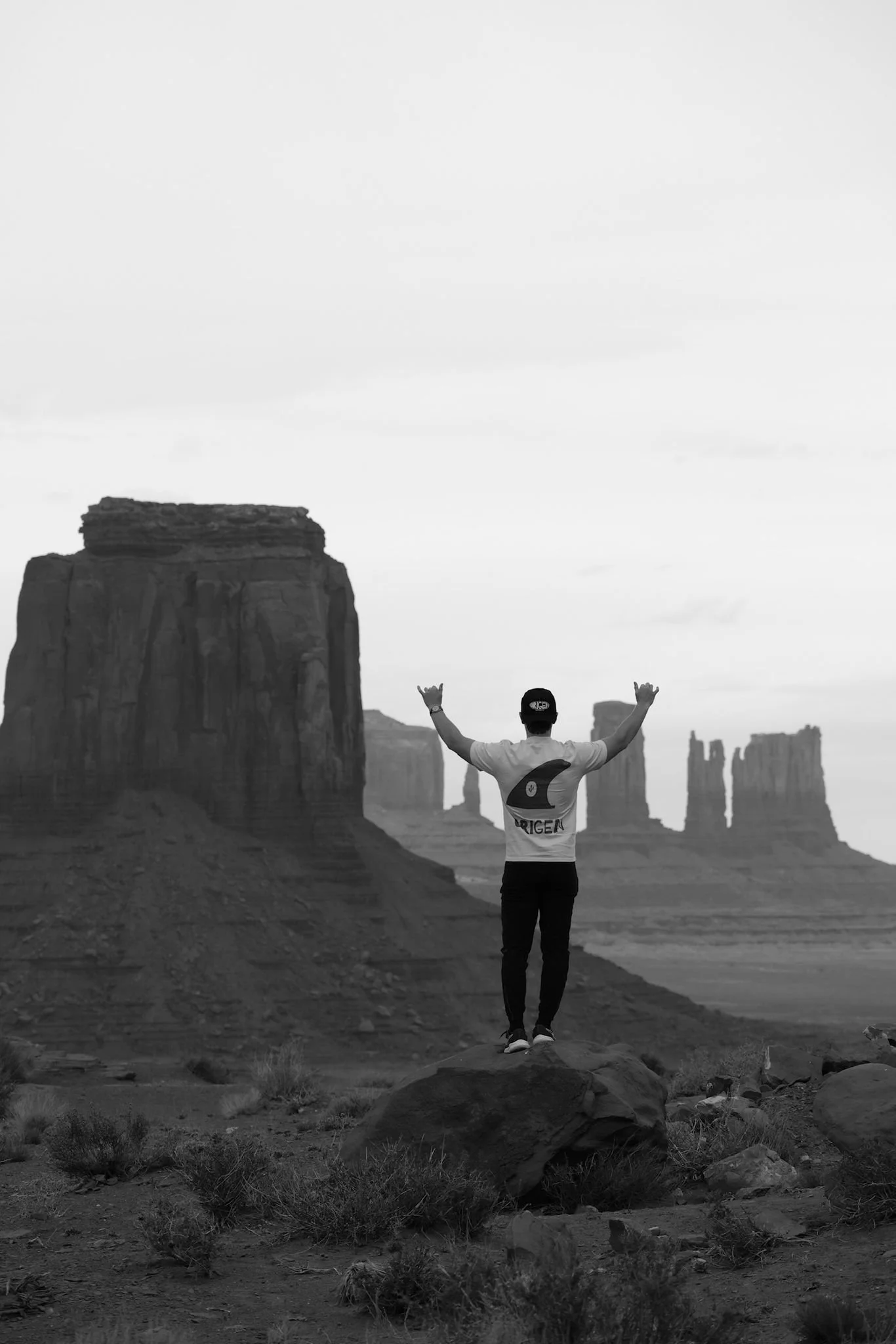
In Monument Valley, scale took over. Not in a way that makes you feel small, but in a way that places you correctly. The kind of scale that reminds you that you’re part of something much larger, and that there’s nothing you need to prove inside it.
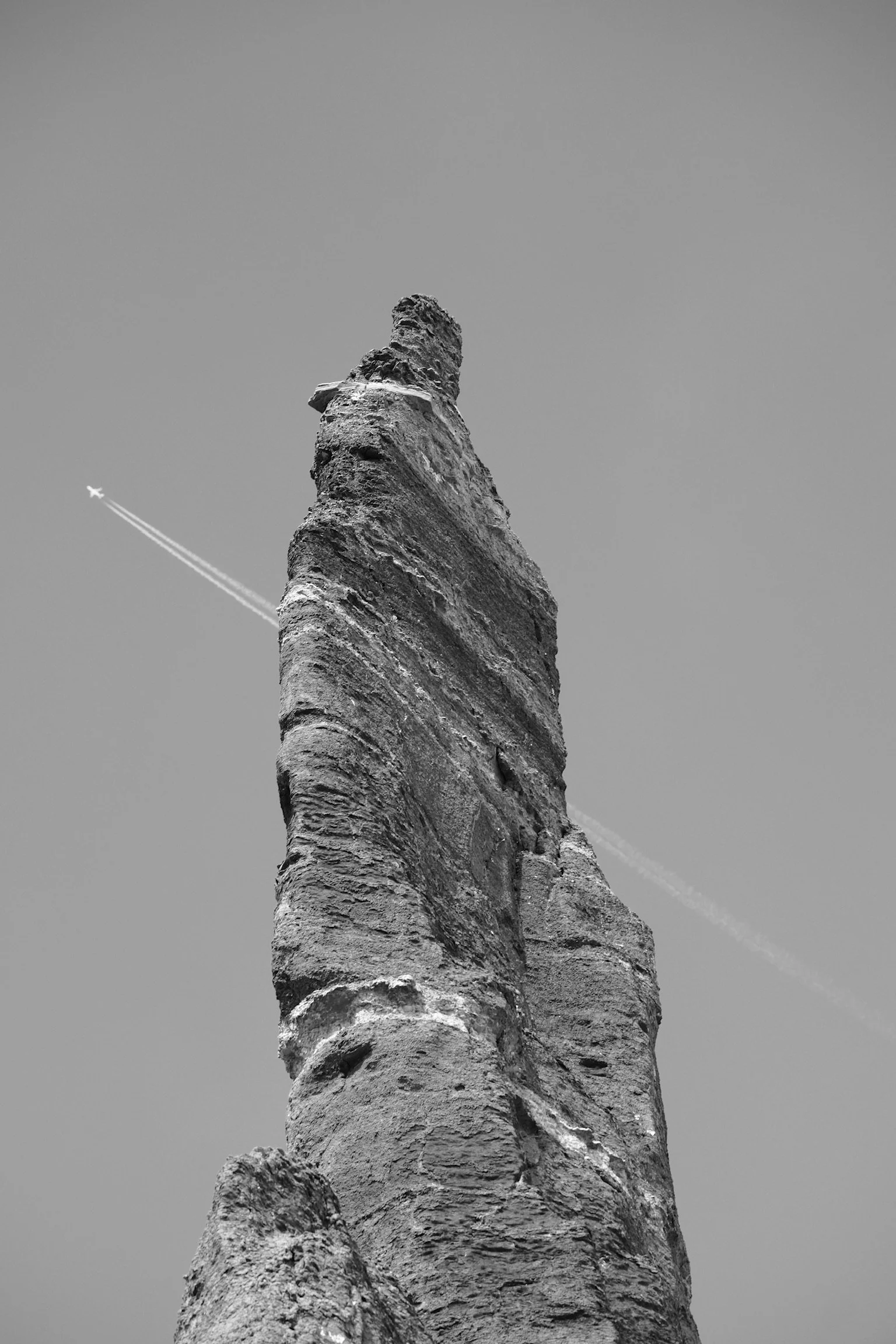
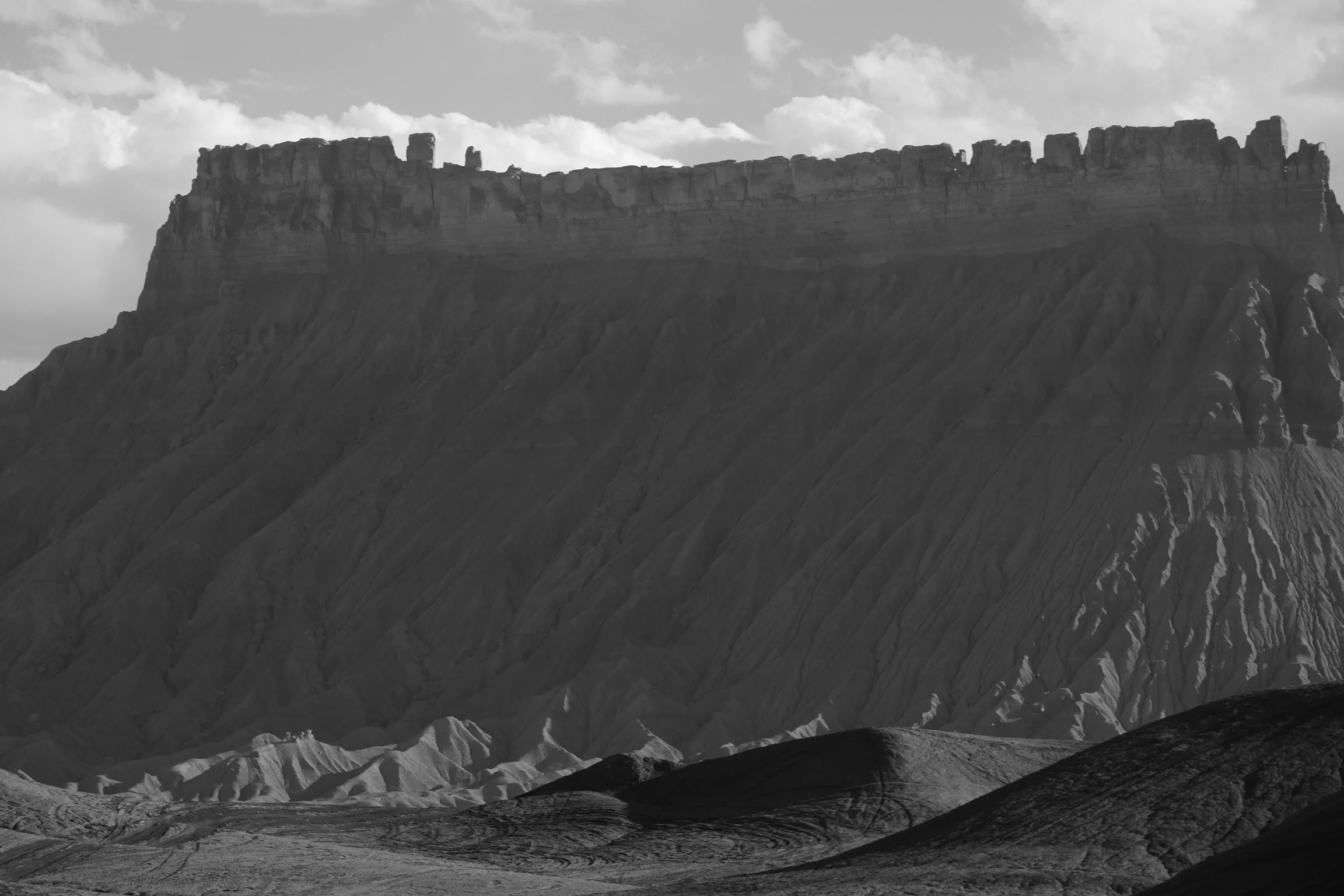
Further out, near Hanksville, the landscape shifted again. The earth turned grey and textured, folding into shapes that looked almost unreal. Places that didn’t feel like a version of Earth you recognize, but something closer to another planet.
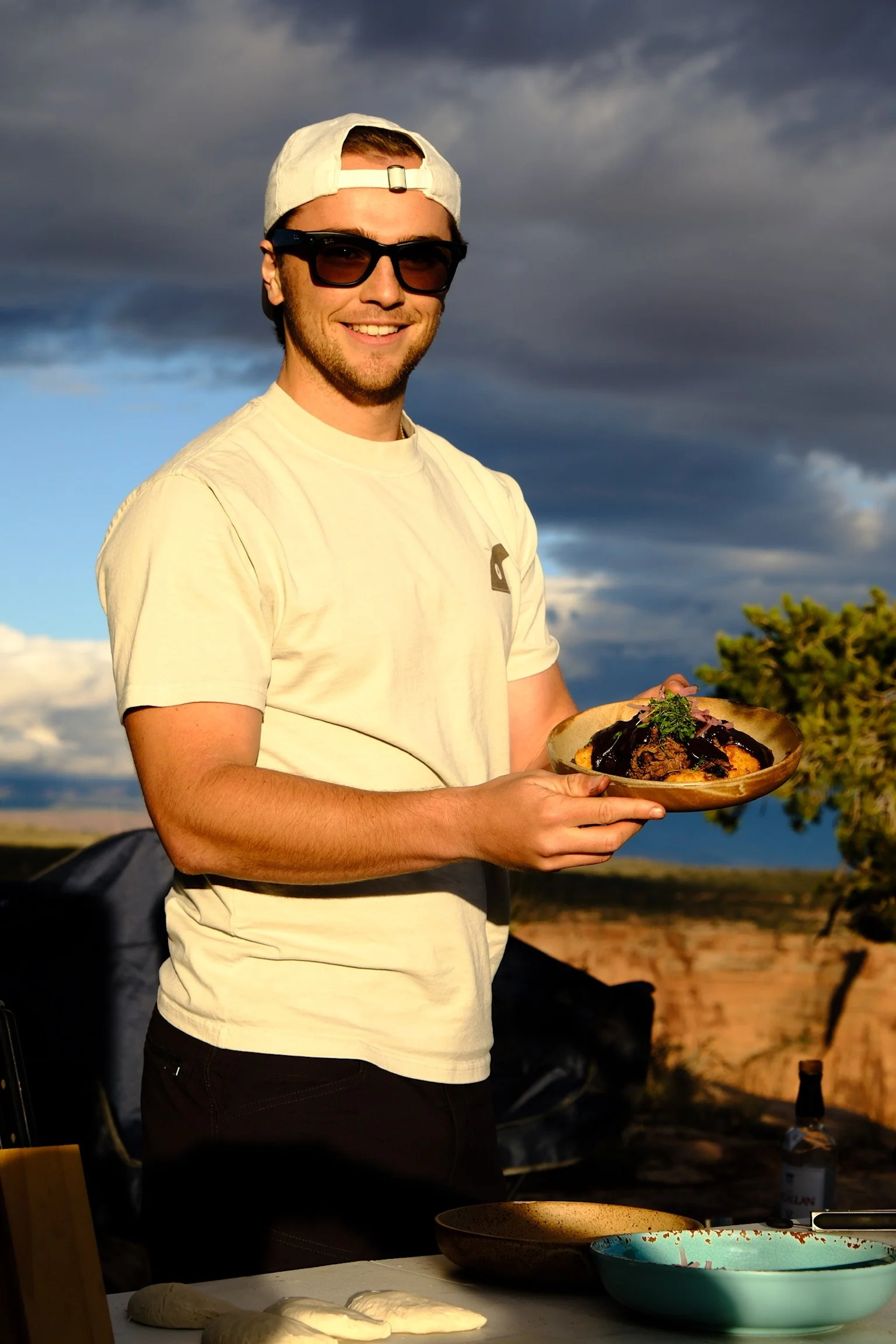
And somewhere along the way, we stopped to cook.
One of our most defining dishes, prepared over fire in the middle of the canyon. No kitchen, no structure—just ingredients, heat, and the environment around us. It wasn’t about recreating the restaurant. It was about seeing if the food could exist outside of it.
It could.
The dish didn’t feel out of place. It didn’t feel like it had been removed from where it belonged. If anything, it felt more aligned—more honest. Like it had always been meant to be cooked that way, in a place like that.
That moment made something clear.
Origen isn’t tied to the coast. It isn’t defined by a dining room, or a menu, or a single location. It’s a way of approaching food and life—rooted in nature, shaped by experience, and carried through the people who create it.
The desert kept reinforcing that idea.
That beauty isn’t rare. That it exists everywhere, in different forms, if you’re willing to go look for it. That most of the distance between us and it is self-created.
On the way back, the transition into the city felt almost unreal. Lights, traffic, noise—everything moving faster than it needed to. And then, eventually, the ocean again.
It didn’t feel separate from what we had just seen. It felt connected. Just another expression of the same world.
Three friends, one van, a few days on the road.
And a clearer understanding of what Origen really is.
Not just a restaurant. A way of moving through the world.